Kona Coffee Has a Season, Just Like Any Crop
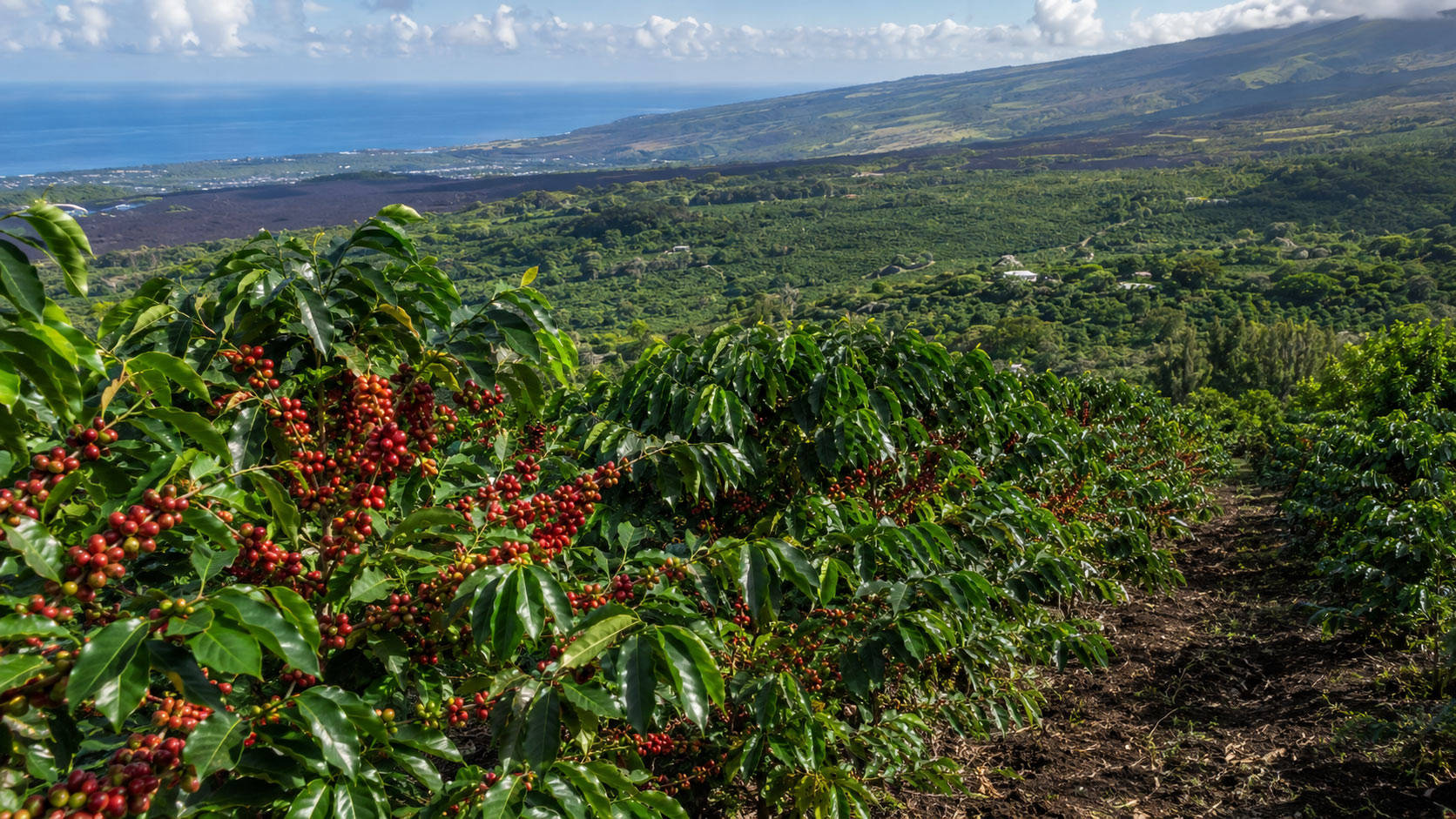
Most people think of coffee as something that simply shows up on a store shelf, but every bag starts as fruit on a tree, and that fruit ripens on a schedule. Kona coffee is grown on the western slopes of the Big Island, and the harvest there follows a rhythm set by the islands warm days, gentle afternoon clouds, and rich volcanic soil. Knowing when Kona is picked helps you understand why it tastes the way it does and when the freshest crop reaches your cup.
The Kona Coffee Harvest Season
The Kona harvest generally runs from late summer into the winter, with the busiest picking happening in the fall. Trees flower earlier in the year in a burst of white blossoms sometimes called Kona snow, and those blossoms slowly turn into green cherries that ripen to a deep red over the following months. Because the weather on the Kona coffee belt is so steady, the season stretches out rather than ending all at once.
That long, gradual ripening is part of what makes Kona special. The cherries do not all turn red at the same time, so the harvest is spread across several months instead of a single quick pick.
Why Kona Is Picked by Hand
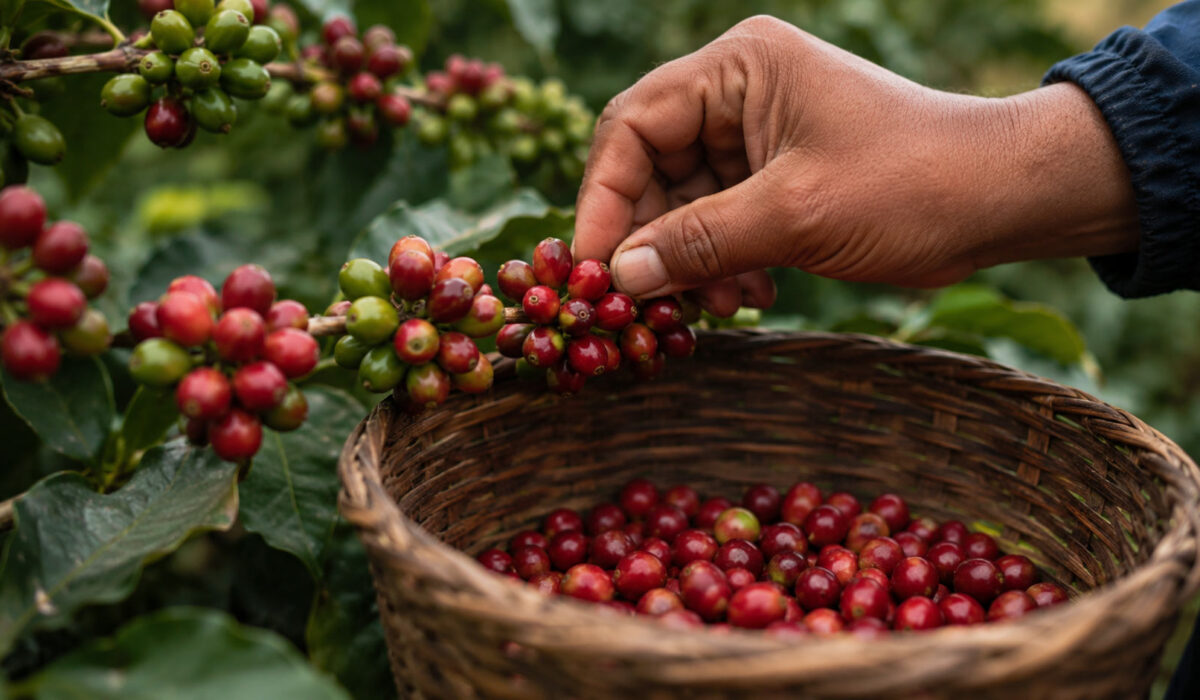
On many large coffee farms around the world, machines strip whole branches at once. Kona is different. The steep, rocky slopes and the uneven ripening mean the best Kona is picked by hand, one ripe cherry at a time. Pickers move through the same trees several times during the season, taking only the cherries that have turned fully red.
This careful, repeated picking is slow and labor intensive, which is one reason real Kona costs more. It is also why the quality is so high, since only ripe coffee cherries make it into the batch.
From Cherry to Cup
Picking is only the beginning. Once the cherries come off the tree, they move quickly through several steps that turn fruit into the green beans roasters buy.
- Pulping removes the outer fruit to free the beans inside.
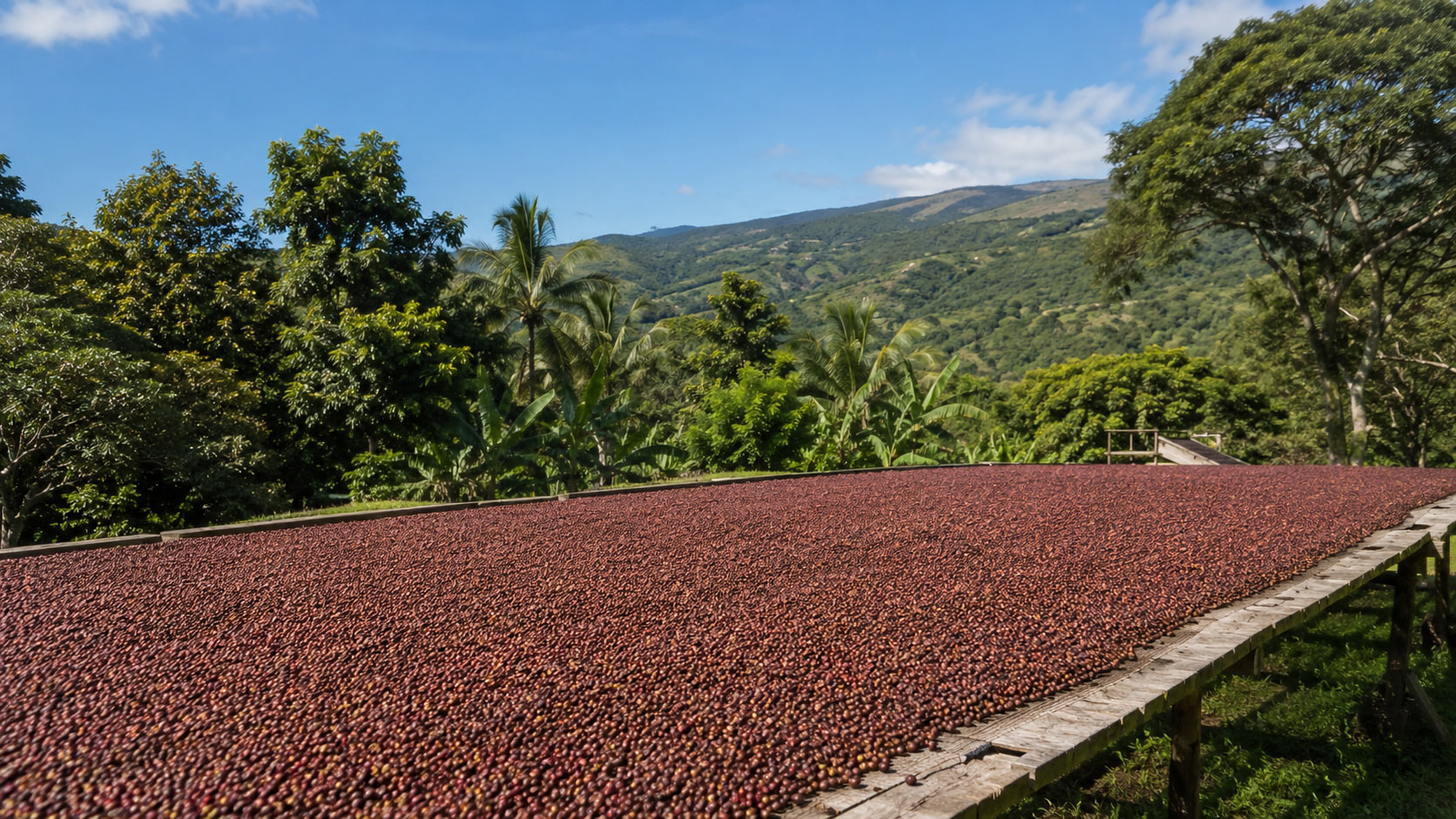
- Drying brings the beans down to the right moisture, often on raised decks in the sun.
- Milling and sorting clean and grade the beans by size and quality.
After that the beans are ready to be roasted, which is the stage that finally unlocks the smooth, bright flavor Kona is known for.
Does Harvest Time Change the Flavor
The harvest season itself does not change Kona into a different coffee, but freshness does matter. Coffee tastes best in the months after it is roasted, not the months after it is picked, so the date to watch on a bag is the roast date. A new crop simply means roasters have a fresh supply of green beans to work with.
No matter the season, the same rule applies. Look for a bag that says 100 percent Kona and a recent roast date, and store it well so it keeps that just-roasted character.
Enjoy the Fruits of the Season
Kona coffee is a true farm crop, hand picked over a long fall season on the slopes of the Big Island. That slow ripening and careful picking are exactly why the cup tastes so clean and smooth. Whenever you buy, reach for 100 percent Kona with a fresh roast date, and you will taste the care that went into every red cherry.