Sticker Shock in the Coffee Aisle
If you have ever reached for a bag of real Kona coffee, you probably noticed the price is a lot higher than the average grocery store brand. It is fair to wonder why a bag of coffee can cost so much. The short answer is that true Kona is rare, hand-grown, and hand-picked in one tiny corner of the world. Here is a closer look at what you are really paying for.
A Very Small Growing Region
Real Kona coffee can only come from the Kona district on the western slopes of the Big Island, a strip of farmland just a few miles wide. That is a tiny area compared to giant coffee nations like Brazil or Colombia. Because the land is so limited, only so much Kona can be grown each year, and that scarcity naturally pushes the price up. There is simply no way to mass-produce it.
Hand-Picked, One Cherry at a Time
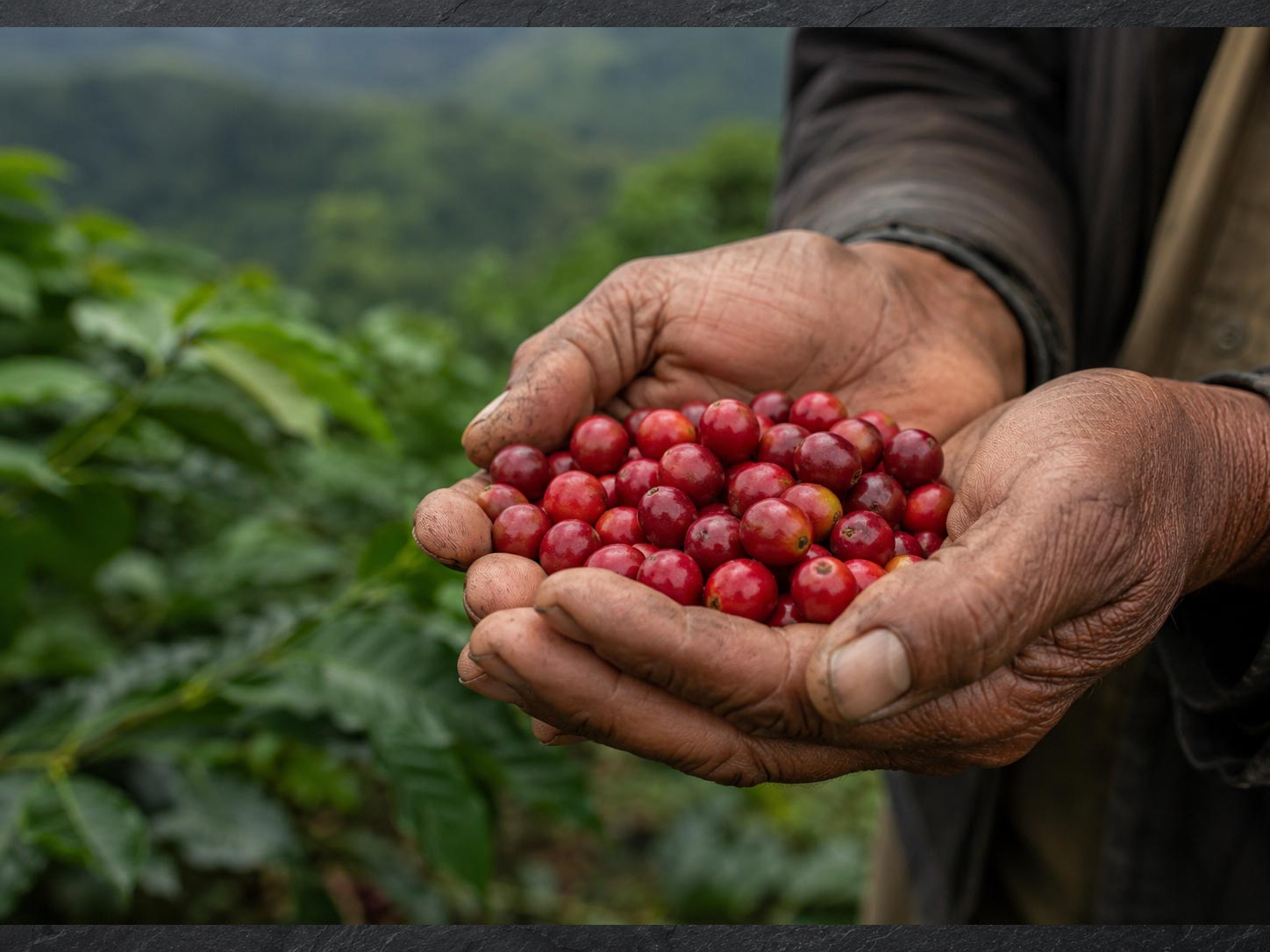
On many large coffee farms around the world, machines strip entire branches in seconds. Kona is different. The steep, rocky volcanic slopes and the way the cherries ripen unevenly mean the best Kona is picked by hand. Workers move through the same trees several times during the season, choosing only the coffee cherries that have turned fully red. This careful, repeated picking is slow and labor intensive, and that labor is a big part of the cost.
Hawaii Wages and Farming Costs
Kona is grown in the United States, in Hawaii, where the cost of living, land, and labor is among the highest anywhere. Farmers pay fair local wages and face real expenses for water, equipment, and shipping everything across the Pacific. Coffee grown in countries with much lower costs can be sold for far less, but it cannot match where and how Kona is made.
The Quality in the Cup
You are also paying for a genuinely special coffee. The rich volcanic soil, sunny mornings, gentle afternoon clouds, and mild nights give Kona a smooth body, bright but gentle acidity, and a clean finish. The beans are then graded by a state system that sorts them by size and quality before they are sold. That combination of a perfect growing climate and strict grading is rare in the coffee world, and it shows in every sip.
Watch Out for the Cheap Imposters
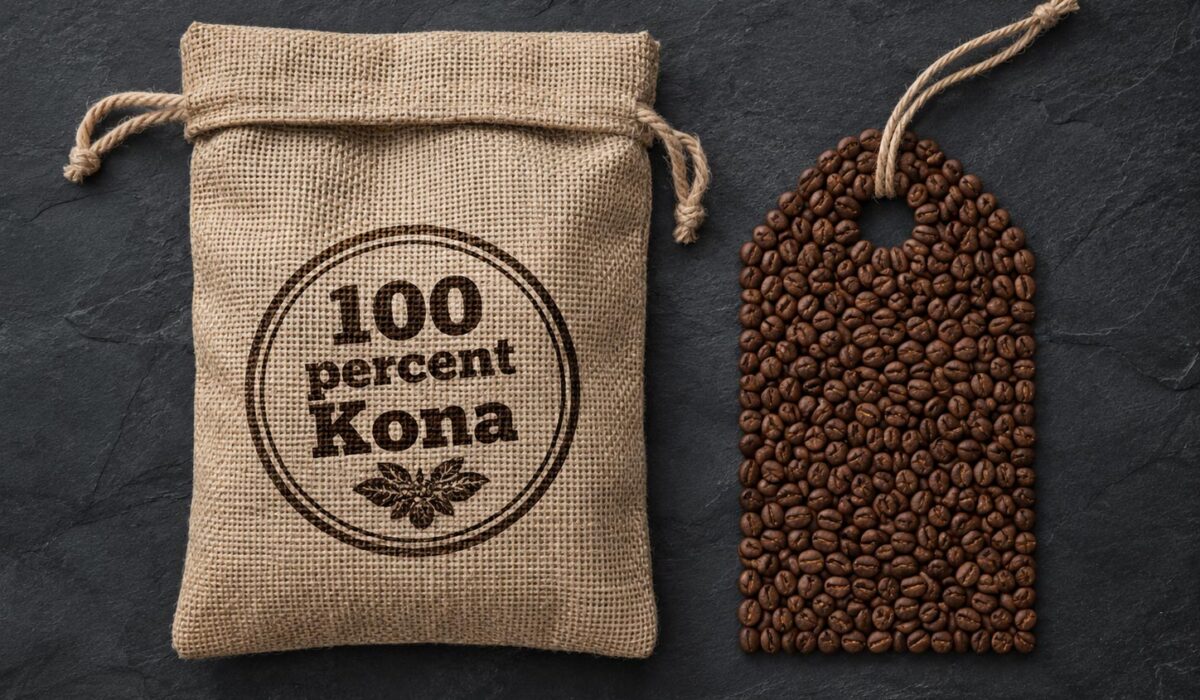
Here is where price actually protects you. If you spot a cheap bag labeled Kona Blend, read the fine print, because a blend can legally contain as little as ten percent real Kona, with the rest coming from anywhere. A few simple habits help you avoid overpaying for very little Kona.
- Look for the words 100 percent Kona, not Kona Blend.
- Be suspicious of a Kona price that seems too good to be true.
- Check for a grade and a roast date on the bag.
A higher price on true 100 percent Kona is not a gimmick. It reflects the real cost of growing something remarkable.
Worth Every Penny
Kona coffee costs more because it is grown in a tiny region, picked by hand, farmed at Hawaii prices, and held to a high standard of quality. When you buy a bag of real 100 percent Kona, you are paying for genuine craftsmanship and one of the smoothest cups on earth. Savor it slowly, and it is easy to taste exactly where your money went.