Hawaii Is the Only U.S. State That Grows Coffee
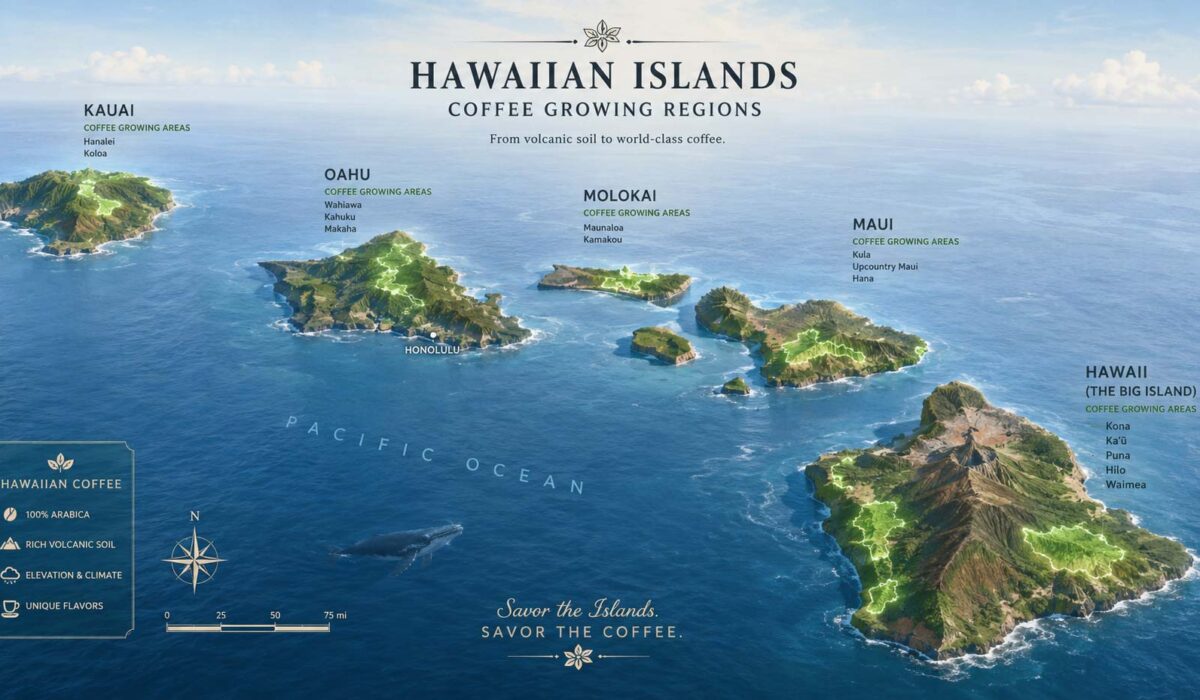
Most people hear the word Kona and picture all of Hawaii’s coffee in one cup. The truth is a little richer than that. Hawaii is the only state in the country that grows coffee on a commercial scale, and it does so on several islands, each with its own soil, weather, and personality. Kona coffee is the most famous name, and for good reason, but it is one star in a wider sky. Knowing the difference helps you shop smarter and taste more.
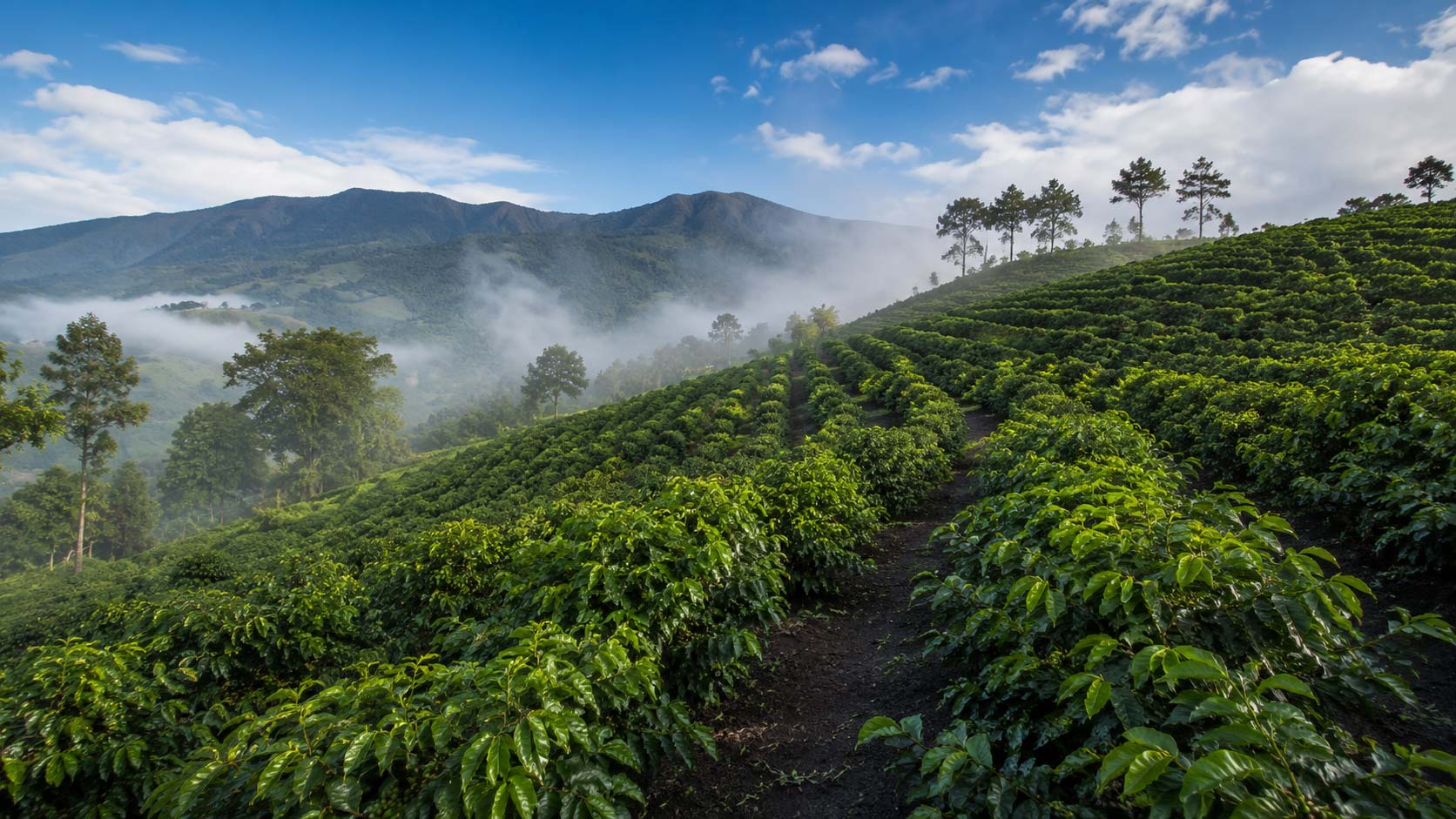
The reason Hawaii can grow coffee at all comes down to a rare mix of ingredients: tropical warmth, high elevation, rich volcanic soil, and a steady rhythm of sun and afternoon clouds. Different islands offer different versions of that mix, and the coffee tastes different because of it.
Why Kona Sits at the Top
The Kona district runs along the western slopes of the Big Island, where the famous coffee belt sits a few thousand feet above the sea. Sunny mornings, cloudy afternoons, mild nights, and well drained volcanic soil create a near perfect home for the coffee plant. The cherries ripen slowly and evenly, which is part of why true Kona is known for a smooth body, gentle acidity, and a clean finish with almost no bitterness.
Kona is also protected by name. To be sold as Kona, the coffee has to be grown in that defined region, and a state grading system sorts the beans by size and quality before they reach a shelf. That combination of place and rules is why 100 percent Kona carries the price and the reputation it does.
The Other Hawaiian Coffee Regions
Once you step outside Kona, the islands open up a whole menu of flavors worth trying. Each region grows the same kind of plant, mostly smooth arabica, yet the cup changes with the land.
- Kau, on the Big Island’s southern slopes, has earned national awards and offers a sweet, fruit forward cup that often gets compared to Kona itself.
- Maui grows coffee in the rolling fields of the former plantation lands, with bright, balanced flavors and a few estates that roast their own beans on site.
- Kauai is home to one of the largest coffee farms in the country, known for approachable, easy drinking coffee at a friendlier price.
- Oahu and Molokai round out the picture with smaller farms and limited harvests that coffee fans love to seek out.
None of these are lesser coffees. They are simply different expressions of Hawaiian growing, and trying them side by side is one of the most enjoyable ways to understand the islands.
How to Shop Without Getting Fooled
The biggest thing to watch for is the word blend. A bag labeled Kona Blend or Hawaiian Blend can legally contain as little as ten percent island coffee, with the rest coming from anywhere in the world. That is how a cheap bag borrows a famous name. If you want the real experience, look for the words 100 percent, whether it says 100 percent Kona, 100 percent Kau, or 100 percent Maui.
Reading the label closely protects both your money and your taste buds. A true single origin Hawaiian coffee tells you the island, often the farm, and sometimes the grade. A vague label that only says blend is usually hiding how little Hawaiian coffee is actually inside.
Taste the Islands One Cup at a Time
Kona may be the headliner, but Hawaii’s coffee story is bigger than one district. Kona gives you that smooth, polished classic, while Kau, Maui, Kauai, Oahu, and Molokai each add their own note to the song. Buy 100 percent single origin when you can, taste a few regions back to back, and you will start to hear the differences the land is whispering into every cup.